
The Nature of Luck in Gambling
Luck is often seen as a fundamental aspect of gambling, particularly in a casino environment where many players enjoy the thrill of a game like casino online nz for entertainment. While strategies and skills can influence outcomes in various games, chance remains an undeniable factor. For example, in games like roulette or slots, the outcome is largely determined by random number generators or physical mechanics that are beyond a player’s control. This inherent unpredictability makes luck a pivotal element that can sway results in an instant, turning a losing streak into a winning one or vice versa.
Moreover, the perception of luck can vary widely among players. Some may believe that luck is a tangible force that can be harnessed through rituals or good practices, while others view it as purely random and uncontrollable. This belief influences how individuals approach their strategies and gameplay. Players who view luck optimistically may be more willing to take risks, believing that their fortunes can turn at any moment. Conversely, those who are more skeptical might adopt a conservative approach, carefully considering every decision to mitigate potential losses, highlighting the complex relationship between mindset and luck.
It’s important to note that while luck plays its part, it should not be the sole consideration in one’s strategy. Understanding that luck can ebb and flow allows players to adopt a more balanced approach, integrating both strategic planning and an acceptance of risk. In essence, acknowledging the role of luck can enhance the overall gaming experience, encouraging players to maintain an open mind while engaging with various games of chance, potentially leading to richer and more varied experiences.
Balancing Skill and Luck
The dynamic between skill and luck is central to developing a successful casino strategy. In games such as poker and blackjack, players can employ various techniques and strategies to improve their odds of winning. These games require not only a deep understanding of the rules but also the ability to read opponents, manage bankrolls, and make calculated decisions. Here, skill can significantly tilt the odds in a player’s favor, showcasing that not all games are purely about luck and that mastery can lead to tangible benefits.
However, even in skill-heavy games, luck remains an inevitable factor. For instance, a skilled poker player might find themselves dealt unfavorable cards, impacting their chances of success in a particular hand. This randomness serves as a reminder that no matter how proficient a player may be, luck can change the game’s outcome at any moment. This interplay suggests that relying solely on skill could lead to frustration, as unforeseen luck could derail even the best-laid plans, which is why a holistic approach is essential for sustained success.
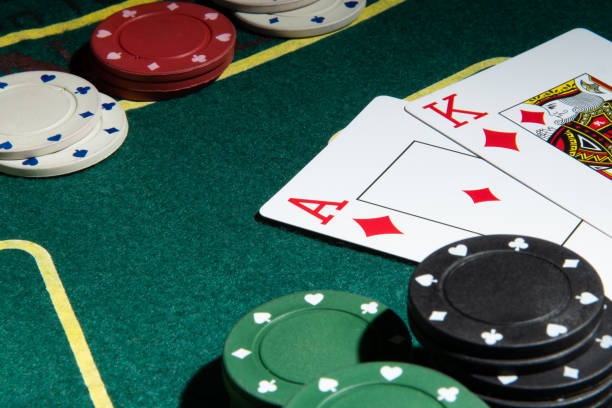
Players should strive for a balance by honing their skills while remaining aware that luck can influence their journey. Embracing this duality encourages a richer gambling experience, where players can appreciate the triumphs that come from skillful play while also acknowledging the fortuitous moments that luck brings. Ultimately, the most effective strategies will incorporate both elements, allowing players to navigate the unpredictability of games with a greater sense of control and understanding, leading to more consistent and fulfilling experiences.
The Psychological Aspect of Luck
The psychological impact of luck cannot be understated in the context of casino gaming. The belief in luck often shapes a player’s behavior at the table or machine. Many players engage in rituals or superstitions, believing that certain actions can influence their luck. From wearing a favorite shirt to using lucky charms, these behaviors illustrate the profound relationship between psychology and gambling. Such practices can boost confidence and create an engaging atmosphere, enhancing the overall gaming experience significantly.
Furthermore, the concept of “lucky streaks” can lead to significant changes in player behavior. When players experience a sequence of wins, they may feel invincible, prompting them to wager larger amounts or take greater risks. This phenomenon can be dangerous, as it can lead to a false sense of security and ultimately result in substantial losses when luck swings the other way. Being aware of this psychological trap is essential for maintaining a balanced approach to gambling and ensuring that players make rational decisions instead of emotionally driven ones.
A successful casino strategy incorporates an understanding of these psychological elements, allowing players to regulate their emotions and decisions effectively. By acknowledging the role of luck and its psychological implications, players can create a more thoughtful and sustainable approach to their gaming endeavors. Such awareness not only enhances the enjoyment of the games but also fosters a more responsible gambling mindset, essential for long-term engagement in casino activities.
The Role of Luck in Game Selection
When crafting a casino strategy, the selection of games can also be influenced by the component of luck. Players should consider which games are primarily skill-based versus those that rely heavily on chance. For example, table games like blackjack or poker may favor skilled players, allowing them to use strategies to improve their odds. In contrast, slot machines and roulette are more dependent on luck, where players have less control over the outcome, highlighting the varying degrees of influence luck has across different games.

Choosing games that align with one’s comfort level regarding luck can significantly impact the overall experience. Players who are wary of relying on luck may gravitate toward games that allow for strategic play, where they can feel a sense of agency and control over their decisions. On the contrary, those who enjoy the thrill of chance may find the unpredictability of slot machines or other luck-driven games to be exhilarating and enjoyable, demonstrating the diverse ways players can engage with casino offerings.
A smart strategy also involves diversifying gameplay to engage with different types of games. This not only keeps the gaming experience fresh and exciting but also allows players to better understand how luck functions within various contexts. By exploring both skill-based games and those reliant on luck, players can develop a more well-rounded strategy that caters to their preferences while remaining mindful of the unpredictable nature of gambling, ultimately enriching their overall experience.
Final Thoughts on Luck in Casino Strategy
As players navigate the complex world of casinos, understanding the role of luck is essential for developing a comprehensive strategy. Acknowledging that both skill and chance contribute to outcomes helps players maintain a balanced perspective. By embracing the unpredictability of luck, individuals can enjoy the thrill of gambling while making more informed decisions about their gameplay, leading to a more satisfying experience.
Moreover, considering the psychological factors and the impact of game selection can further refine one’s strategy. Those who recognize the interplay between luck and skill can enhance their overall gaming experience, leading to more enjoyable and responsible gambling sessions. Ultimately, integrating luck as a defining factor in your strategy can transform the way players approach their time in the casino, allowing for a richer and more fulfilling engagement with games of chance.
For more insights into developing your casino strategy, the website offers a wealth of information and resources. By exploring different games, understanding the nuances of luck, and learning how to balance skill, players can elevate their gaming experience. Engaging with expert articles and tools can empower players to craft well-rounded strategies that not only maximize enjoyment but also support responsible gaming practices, ensuring a healthier relationship with gambling over time.